Dental Implants Provide Permanent Solutions for Tooth Loss in Jay

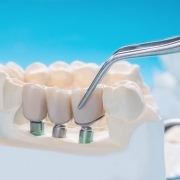
Dental implants function as artificial tooth roots made of biocompatible titanium that fuse directly with the jawbone. This clinical process, known as osseointegration, provides a stable foundation for a custom-milled crown or bridge. Implants prevent the bone loss typically associated with missing teeth and restore 100 percent of natural chewing force.

Tooth loss affects more than just aesthetics; it triggers jawbone resorption and the shifting of adjacent teeth. Dr. Lassiter addresses these issues by placing dental implants to stabilize the oral structure. The titanium post acts as a replacement root, signaling the bone to remain dense and healthy. This surgical intervention is the gold standard for long-term tooth replacement in Florida.

The clinical team performs a comprehensive evaluation to ensure the patient has sufficient bone volume for the procedure to be successful. Once the implant is placed, a healing period allows the bone to grow around the titanium surface. Dr. Lassiter then attaches a custom restoration that is color-matched to the existing dentition. This result is virtually indistinguishable from a natural tooth.

Unlike removable dentures, implants do not slip or require adhesives. They allow for normal speech and a diet that includes crunchy or tough foods. Maintaining an implant is simple, requiring the same brushing and flossing habits as natural teeth. This investment in oral health preserves the facial profile and prevents the aged appearance caused by bone loss.

Jim D. Lassiter, DMD, offers expert implant restorations to help patients regain confidence in their smiles and overall health.

Why is My Dental Implant Failing?

Dental implants are designed to last for many years, but they still need the right conditions to stay healthy. When problems pop up, they’re often tied to a few key causes. Knowing what might be going wrong can help you take steps to protect your smile.

Poor Healing After Placement

Right after implant surgery, the bone and gums need time to heal. If something interferes—like infection, pressure on the site, or poor blood flow—the bone might not bond fully with the implant. That incomplete connection can eventually cause the entire structure to loosen or fail.

Gum Disease And Inflammation

If you’ve got a history of gum disease, or if it develops after the implant is placed, that inflammation can damage the surrounding bone, raising the risk of your Jay, FL dental implants failing. Even if the implant itself stays clean, bacteria under the gumline can erode the bone supporting it. Regular cleanings and checkups are essential to catch issues early.

Smoking Or Health Conditions

Smoking, diabetes, and certain medications can all reduce your body’s ability to heal properly. That makes it harder for the implant to integrate with your bone and increases the risk of long-term complications. If you have a chronic condition, your dentist might suggest extra follow-up care.

Bite Pressure Or Grinding

Too much pressure on the implant—especially from clenching or grinding—can strain the connection between the implant and your jawbone. Over time, that stress may lead to small fractures or bone loss. A night guard can help protect your implant while you sleep.

Think your dental implant might be in trouble? Don’t ignore the signs. The sooner you get it checked out by your Jay, FL dentist at Jim D. Lassiter DMD, the better your chances of saving it and avoiding costly repairs.

What Are the Different Types of Dental Implant Solutions for Replacing Teeth?

Have you been thinking about getting dental implants? There isn’t just one type of implant solution to choose from. In fact, our dentists in Jay, FL, at Jim D. Lassiter DMD offer multiple solutions for patients based on jawbone health, number of missing teeth, and other factors. Here’s a closer look at different approaches we use for the dental implant process.

Endosteal Implants

These implants are inserted into your jawbone, so they can fuse to the surrounding tissue. This is a common solution for those who have enough jawbone tissue.

Subperiosteal Implants

For those who don’t have the right amount of jawbone, we may recommend this type. Subperiosteal implants are inserted under your gums rather than in your jaw.

Zygomatic Implants

These implants are a solution for those who need teeth on the upper arch replaced, but don’t have enough jawbone. Zygomatic implants are inserted in your cheekbone instead.

All-on-X Implants

These dental implants in Jay, FL, replace a few or more teeth in a row on the upper or lower arch using fewer implant posts.

Mini Implants

This solution is a smaller version of traditional dental implants. Mini implants may be suitable if you don’t have enough healthy jawbone, especially if you’re getting a bridge or dentures.

Implant-Supported Dentures

We can use implants to anchor dentures in place on your lower or upper arch for better support.

Implant-Supported Bridges

We can also use implant posts to hold bridges in place instead of relying on dental crowns on the neighboring teeth.

Schedule Your Dental Implant Consultation Today!

Wondering which implant solution would work best for you? Our dentists at Jim D. Lassiter DMD can recommend the right type of dental implants in Jay, FL, based on an evaluation of your oral health and other factors.

Managing Dental Implants in Patients with Systemic Diseases

If you are like other people who have conditions like diabetes or osteoporosis, you probably think dental implants aren’t an option. But you might be surprised to learn that they are. You can still successfully get dental implants in Jay, FL, with the right planning and care.

What does that mean? Let’s take a look.

Why Systemic Health Matters for Implants

Your systemic health (overall health) is a huge factor in the dental implant process. Chronic conditions can hinder bone healing and increase the risk of infection.

Common Implant Conditions and Considerations

Here’s what you need to consider.

Diabetes comes with a higher risk of delayed healing. But controlled diabetes might just improve the implant success rate.

Osteoporosis is when your bones are weakened. That means you may need bone grafting or special planning before getting your dental implants.

Autoimmune disorders or certain medications affect your immunity and bone health.

If you have any of these (or other) conditions that could affect the success of your dental implants in Jay, FL, then a custom treatment plan will be needed.

Your  dentist in Jay, FL, will help you choose the right type of implant. Then, the timing and post-surgical care will be based on your health at the time.

How Patients Can Improve Their Implant Outcomes

What’s important here is that you properly coordinate your medical-dental care. Teamwork is essential! Your medical history will need to be shared with all collaborating physicians and your dental team.

You will need to practice good daily dental hygiene. It’s also important to be mindful of your lifestyle choices (diet, smoking) while making sure you visit your dentist regularly (if you want your implants to last).

Are You Looking for a Reputable Dentist in Jay, FL?

Believe it or not, most systemic conditions don’t rule out your chances of getting dental implants. Please Contact Jim D. Lassiter DMD today to schedule a consultation. We’ll perform an exam and let you know if you are a good candidate for dental implants. If not, we will provide you with alternative options.

What Are the Benefits of Choosing Dental Implants for Missing Teeth?

When you have one or more teeth missing, it’s not easy to smile comfortably or even eat sometimes. Replacing those teeth restores those functions and helps you feel better about showing off your smile. Our dentists in Jay, FL, at Jim D. Lassiter DMD offer this option for some patients. Here’s a closer look at why we may recommend this option for you.

Boosting Your Self-Confidence

Having missing teeth replaced does wonders for your self-esteem. With a full set of teeth, you can feel more at ease talking to other people or smiling without keeping your lips closed.

Improving Your Smile

Dental implants can make your smile look much better, closing gaps from missing teeth in the front of your mouth.

Stopping Teeth From Shifting

Did you know that your teeth on either side of a missing tooth gap might move toward that space? When you get dental implants in Jay, FL, these replacements stop your adjacent teeth from shifting to fill in gaps.

Making Eating and Speaking Easier

Are missing teeth making it tough to bite into or chew your food or speak clearly? Replacing them with dental implants means you can talk without issues and eat food without any struggles.

Long-Lasting Solution

Dental implants aren’t a short-term option for replacing teeth. In fact, they can last for many years without needing to be replaced, especially the implant posts.

Set Up Your Dental Implant Consultation Today!

Wondering if this option is right for you? Our dentists at Jim D. Lassiter DMD offer dental implants in Jay, FL, for patients that we consider good candidates. We can help you determine if you should use this treatment to replace missing teeth and enhance your smile!

Dental Implants vs. Bridges, Which One Is Right for You?

If you have missing teeth, you’ve probably been weighing your options, right? There are dental implants in Jay, FL. There are also dental bridges and possibly other options depending on your situation. So, how do you decide which one is right for you? That’s what we’re going to help you with today. We are going to talk about dental implants and dental bridges, and which one is right for you.

What Are Dental Implants?

Dental implants have a variety of options. Your dentist in Jay, FL, will go over them with you. The most common dental implants use a small, threaded titanium post (looks like a screw), that is implanted into your jawbone. Once the bone grows around the implant, your permanent artificial tooth (crown) will be added to it.

Dental implants look, feel, and function just like your natural teeth. They also help preserve your jawbone.

What Are Dental Bridges?

Dental bridges work a bit differently. They are a set of artificial teeth that attach to your neighboring teeth, which act as anchors. Additionally, they don’t require as much healing time, and they are less expensive than implants. Unfortunately, they don’t prevent bone loss. And they could require altering your healthy teeth.

Side-by-Side Comparison

Use this side-by-side comparison to help decide which option is right for you.

  • Longevity

Implants can last a lifetime (the implant portion). Bridges usually need to be replaced in 10-15 years.

  • Cost

Implants are more expensive upfront than bridges. However, they are more cost-effective in the long run.

  • Aesthetics and Comfort

Both implants and bridges look natural. However, implants feel more like your natural teeth.

  • Maintenance

Implants require regular dental hygiene. So do bridges. However, bridges are a bit harder to clean under.

  • Suitability

Implants need a healthy jawbone to support them. Bridges can be used if you don’t have enough jawbone for an implant.

Which Option is Right for You?

Everyone has different wants and needs, so making the choice between dental implants and dental bridges is a personal decision. However, factors like your budget and bone health can help lead you to a choice that is best for you. Talk with your dentist about which one they recommend.

Looking for a Reputable Dentist in Jay, FL?

Please Contact Jim D. Lassiter DMD today to schedule a consultation and exam. Once we determine your oral health and the condition of your teeth and jawbone, we can help you decide between dental implants and dental bridges. Regardless of which you choose, we will be by your side every step of the way.


Dental Implants

What Makes You a Good Candidate for Dental Implants?

Are you looking into different options for replacing your missing teeth? If dental implants are on your list of possibilities, you’ll need to make sure you’re a good candidate for them first! Our dentists in Jay, FL, at Jim D. Lassiter DMD can consider certain factors and evaluate your oral health to see if dental implants are the most suitable way to replace your teeth. Let’s take a look at what makes someone a good candidate for this procedure.

Healthy Gums

Do you have gum inflammation or periodontal disease? You’ll need to have healthy gums that can handle the implant process. Problems with your gums may increase the risk of having implants fail or experiencing complications during the healing process.

Adequate Jawbone Tissue

The most common type of dental implant involves placing a metal post in your jaw. Over the course of several months, this post gradually fuses to the tissues around it. Without enough jawbone tissue, implant posts won’t have the support they need. You might need bone grafting done before implant surgery if you don’t have enough tissue.

Good Health Overall

Do you have any medical conditions, such as diabetes, that might affect your ability to heal properly? Our dental team will take health issues into consideration when deciding if dental implants are a safe and effective option for you. Note that if you smoke, this may also affect your ability to get implants. Smoking can make it harder for dental implants to properly fuse to your tissue.

Schedule a Consultation Today!

Trying to find out if dental implants are right for you? Our dentists at Jim D. Lassiter DMD can help! Our dental team offers dental implants in Jay, FL, to help patients who want to replace one or more missing teeth.

What to Expect When Getting Dental Implants 

Don’t let missing teeth get you down! You might not like smiling if you have a tooth missing in the front part of your mouth. Or you might have problems biting and chewing food if you’re missing back teeth. But dental implants can change all that! Our dentist in Jay, FL, Jim D. Lassiter DMD, offers implants for missing teeth. Let’s go over what you can expect from this process.

Bone Grafting

This step isn’t always needed. If you have enough jawbone to support the implant, you won’t need grafting. But you’ll need it if you don’t have an adequate amount of jawbone. This adds bone to the area so you can have a post placed inside.

Post Placement

The implant process typically starts with this step. Our dentist places a titanium post in your jawbone as an anchor for your replacement tooth.

Recovery Process

Once the post is inserted into your jawbone, you’ll need to wait several months for it to heal. During this time, the post slowly fuses to the tissue around it.

Abutment Placement

The next step when getting implants is having a connecting piece called an abutment placed on the post. This piece holds your replacement tooth in place.

Artificial Tooth Placement

Now it’s time for your crown or restoration to replace your missing tooth! If you have a temporary crown, our dentist will remove it and put the permanent artificial tooth in place.

Schedule a Visit for Dental Implants!

Are you considering this restoration option to replace your teeth? Or do you have more questions about the implant process? Set up an appointment with Jim D. Lassiter DMD to discuss dental implants in Jay, FL, today!

Are Dental Implants A Good Option For Me?

If you’re missing a permanent tooth, it’s important to fill the gap with a realistic artificial tooth. Installing an artificial tooth like a dental implant can help restore your smile and give you the confidence you used to have.

Your dentist in Jay, FL, can help. We offer dental implant installation services and can answer your questions about dental implants. Below are some of the things you should know about dental implants.

Who Benefits From Dental Implants?

You can benefit from dental implant installation if:

  • You are missing a permanent tooth
  • You have sufficient jaw bone to install a dental implant
  • You have healthy teeth and gums

Your dentist can tell you if you’re a good candidate for dental implant installation. If you smoke or have poor oral hygiene habits, a dental implant may not do well over time. Talk to your dentist about this to find out what you can do to ensure that a dental implant will last in your mouth.

How Can I Tell If I’m A Good Candidate For Dental Implants?

The best way to find out if you’re a good candidate for dental implants is to speak with your dentist. Make an appointment for an evaluation to find out if you would do well with dental implants.

Interested In Dental Implants? Call Today

Are you interested in dental implants in Jay, FL? We can help. We’re here to answer your questions and offer you options if you’re missing a permanent tooth. It’s a good idea to install an artificial tooth in your mouth if you need one. Installing a dental implant can help restore your smile while preventing your other teeth from shifting. Call today to learn more.

Woman Smiling White Teeth

How Long Will My Dental Implants Last?

Dental implant technology has been around for about 50 years, which is plenty of time to have proof of efficacy and durability. In other words, we know that they work well and we know that they last long. Dental implants in Jay, FL are considered a permanent solution for people who’ve lost their natural teeth. Even if you’ve only lost one natural tooth, a dental implant can be installed and it will look like your own tooth. But how long do dental implants last?

How Long do Dental Implants Last?

There’s a little bit of debate about how long dental implants last. Most people who get dental implants in Jay, FL are over the age of 50. Since an average human lifespan is about 80 years old, an upward range of lifespan of dental implants is 30 years. And many dental implants may last that long, but we don’t know yet, exactly. However, the dental technology has been refined over the last 50 years, and everything about dental implants has improved, including the materials, the procedures and even the aftercare. At the end of the day, this all suggests that dental implants can last anywhere from 10 years to a lifetime.

Factors That Impact Longevity

Maintaining excellent oral hygiene is critical to extending the life of your dental implants. Brushing twice a day, flossing, and visiting your dentist regularly help prevent gum disease, which can weaken the surrounding tissue and jeopardize the implant.

Lifestyle choices also play a role. Smoking, excessive alcohol consumption and habits like grinding your teeth can reduce the longevity of your implants. Having regular dental check-ups ensure any potential issues are addressed early, protecting your dental implants.

If you’d like to discuss your options for dental implants, contact your Jay, FL dentist to learn more. We look forward to helping you get a healthier smile!