
What Are Common Signs You Might Need Periodontal Therapy?

Are you having problems with your gums? If it’s due to periodontal disease, that’s a condition that may need more intensive treatment to prevent complications. Our dentists in Jay, FL, at Jim D. Lassiter DMD offer therapy to treat it and get your gums back in good condition. You may need these services if you have any of the following signs of periodontal disease.

Gum Discoloration

Do your gums look red or purple? They can become discolored due to inflammation and infections that occur with gum disease.

Bleeding

Have you noticed bleeding, such as when you brush your teeth? Your gums may bleed easily when you brush or floss, indicating that you may have periodontal disease.

Tenderness

Do your gums feel sore? This tender, achy feeling can happen when your gums are infected or inflamed.

Receding Gums

How do your gums look? If they seem to be pulling away from your teeth, that’s known as gum recession — and it’s often a sign of gum disease.

Taste and Breath Changes

Have you been dealing with bad breath that never seems to go away, even after brushing your teeth? Or do you have an unpleasant taste in your mouth? These are also signs of periodontal disease.

Loose Teeth

Do any of your teeth seem loose? As gum disease gets worse, your gums recede and put your teeth at risk of loosening in the socket and falling out.

Set Up an Appointment Today for Periodontal Therapy!

Do you need treatment for gum disease? Our dental team at Jim D. Lassiter DMD offers periodontal therapy in Jay, FL, to help you get healthy gums again and lower the risk of tooth loss and other complications.

How Will a Dentist Treat a Gum Infection?

A gum infection might sound serious, but the reality is that it’s a fairly common condition. Because it’s easy to catch and treat at the beginning, your treatment plans at the dentist will depend on what stage the infection is in. Whether you have a family history of gum disease or you’ve noticed that your gums are more sensitive as of late, we’ll look at what to expect when you’re at a dentist in Jay, FL.

Gum Infections: What to Know

Sometimes called periodontal disease, this condition refers to an infection or inflammation of your gums. It occurs when bacteria make their way from your teeth into the pockets of your gums, eventually beginning to erode the tissue away. Gum infections are not the only way that you can lose tissue; it can also occur if you brush or floss too vigorously, but infections can result in anything from mild irritation to more severe swelling or bleeding.

How Dentists Treat Periodontal Disease

There are a few key ways that dentists treat gum infections in Jay, FL, with the most common being general cleanings. By clearing off all the plaque and tartar, they remove the imminent threats to your gums. If the condition is more severe, they’ll use deep cleanings, which will dig under the surface of the gum line to clear out any accumulated bacteria or damaged tissues. In the most severe cases, where the gumline has significantly receded, an oral surgeon will need to perform a gum graft, so your gums are healthy enough to support your teeth.

Like most conditions, the key to treating gum disease is to catch it as early as possible. If you’ve noticed any negative changes to your gums, contact Jim D. Lassiter DMD to learn more about how our services can help!

Is Gum Disease Serious? And How Can You Prevent It?

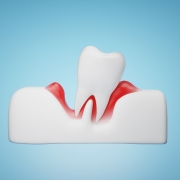
The short answer is yes; gum disease or periodontal problems can be serious. In the early stages, gum inflammation is known as gingivitis, typically characterized by tender, red gums that might occasionally bleed when you brush your teeth.

If you experience these symptoms, you must immediately schedule an appointment with your dental professional. The caring professionals at Lassiter Smiles in Jay, FL, treat the underlying infection and stop the progression of periodontal disease,

What Causes Gum Inflammation?

Periodontal disease is commonly caused by bacteria in the mouth. It can cause bad breath, pain while chewing, sores in the mouth, or loose and sensitive teeth. In advanced stages, gum tissue pulls away from the teeth, resulting in pockets between teeth and gums, and bone loss is not uncommon.

Periodontitis is considered the leading cause of tooth loss for adults worldwide.

What to Watch For

Although sore gums in children may signal new teeth’ arrival, it is always important to have a professional check for other problems. Children and adults with tender gums can use soft-bristled toothbrushes to ease discomfort but continued tenderness, and a professional should always assess pain.

Sore gums may be attributed to the buildup of plaque and tartar on teeth, and some tenderness can be linked to smoking or the use of certain medications.

However, gum soreness may also be a warning sign of other medical conditions, including diabetes, oral cancer, or bodily inflammation associated with stroke or cardiovascular disease.

How to Deal With Sore Gums

Dr. Lassiter’s practice is known for its calming examination rooms and compassionate emphasis on personalized care.

Proper oral care, including brushing, flossing, using mouthwash, and regular dental checkups, is the best way to prevent gum inflammation and periodontal problems.

Would you like to schedule your next checkup now?